





When Divorce Becomes Conflict: Protecting Children During a Difficult Separation

Divorce can be emotionally challenging for everyone involved, but when conflict between parents escalates, children often feel the greatest impact.
A high-conflict divorce typically involves on-going hostility, frequent disagreements, and difficulty cooperating on decisions involving children. In these situations, children may feel caught between two people they love.
Understanding how conflict affects children, and how parents can reduce its impact, can help families navigate this difficult period with greater care and awareness.
When Children Feel Caught in the Middle
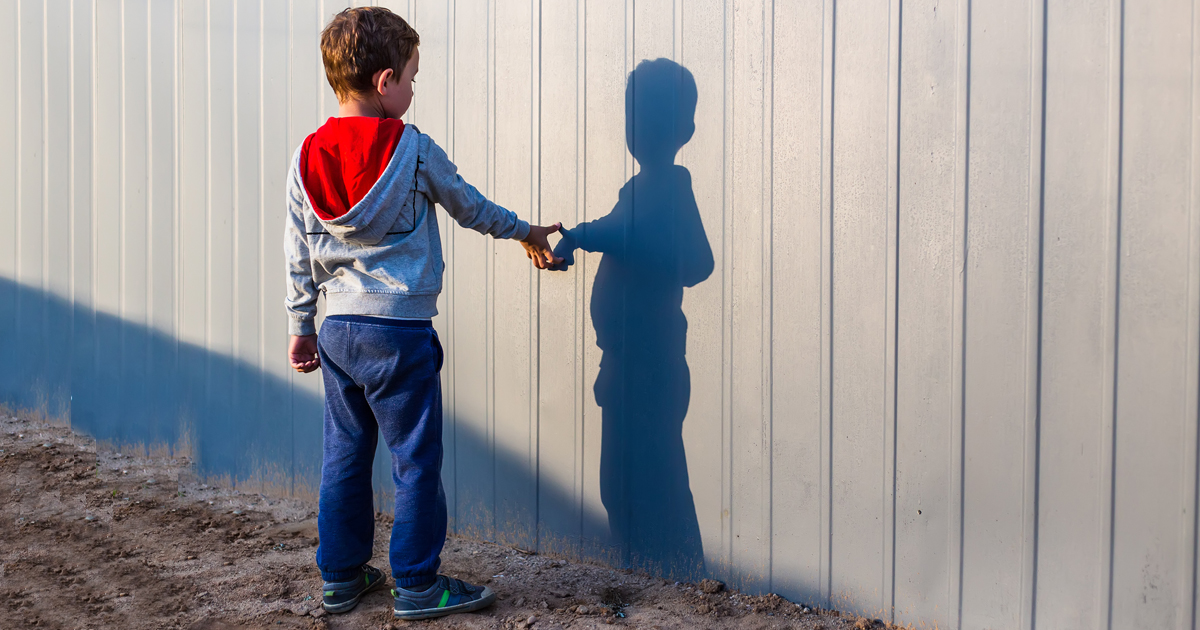
Children are naturally sensitive to the emotional environment around them. When parents argue frequently or express anger toward each other, children may begin to feel responsible for the tension at home.
Some children may try to take sides. Others may withdraw or avoid conversations about the divorce altogether.
In many cases, children simply want reassurance that both parents still love them and that their lives will remain stable.
However, when conflict continues during divorce proceedings, children may struggle with uncertainty, fear, or confusion about the future.
The Emotional Impact on Children
Research and family-law experience have shown that children exposed to ongoing parental conflict can experience several emotional challenges.
These may include:
- anxiety or sadness
- difficulty concentrating in school
- behavioural changes at home
- feelings of guilt or self-blame
Children may sometimes believe that the divorce happened because of something they did or failed to do. For this reason, open communication and reassurance from parents are especially important.
Keeping Children Out of Parental Disputes
One of the most important steps parents can take during divorce is to avoid placing children in the middle of disagreements.
This includes avoiding situations where children are asked to:
- deliver messages between parents
- choose sides in disputes
- listen to criticism about the other parent
When children are drawn into conflict, they may feel pressured to protect one parent while worrying about hurting the other.
Maintaining clear boundaries helps children feel safer and less responsible for the tensions between adults.
Maintaining Stability During Divorce
Even during a difficult separation, maintaining routines can help children feel more secure.
Simple actions can make a significant difference, such as:
- keeping regular school and activity schedules
- maintaining consistent parenting arrangements
- ensuring children continue relationships with both parents when appropriate
When children see that important aspects of their lives remain stable, the transition through divorce may feel less overwhelming.
Learning to Co-Parent After Divorce
Although the marriage may have ended, parenting responsibilities often continue for many years.
In high-conflict situations, co-parenting can be challenging. Some parents find it helpful to establish clear boundaries and structured communication methods.
For example:
- communicating through email or written messages
- following agreed parenting schedules
- focusing discussions only on matters involving the children
These approaches can reduce misunderstandings and limit unnecessary disputes.
Seeking Support When Conflict Persists
In some cases, professional guidance may help parents manage on-going disagreements.
Counselling, mediation, or parenting coordination can assist parents in developing healthier communication patterns and creating practical parenting plans.
These resources aim to ensure that children’s needs remain the central focus, even when parents struggle to cooperate.
Focusing on What Matters Most
Divorce is often one of life’s most difficult transitions, but children benefit greatly when parents are able to prioritise their wellbeing.
Even when emotions run high, making conscious efforts to reduce conflict can help children feel more secure and supported.
Over time, a calmer and more structured approach to parenting after divorce can provide children with the stability they need to adjust and thrive.